Notes from the protocol room
Field notes from Cleveland's wellness optimization center: peptides, hormone therapy, weight loss, ketamine, IV therapy and recovery.

How Does a Low T Clinic Support Patients With Inconsistent Energy Levels?
Inconsistent energy levels can disrupt routines, reduce productivity, and affect overall well-being. A Low T Clinic focuses on identifying and addressing hormonal imbalances that may be influencing daily energy patterns.

How a Low Testosterone Clinic Assesses Physical Strength Changes Over Time
Physical strength is not just about lifting heavier weights; it reflects how well your muscles, nerves, and hormones are working together. This article explains how a Low Testosterone Clinic assesses changes over time, focusing on tracking physical performance alongside hormonal health.

How Does a Low T Clinic Address Gradual Hormonal Decline Over Time?
Hormonal decline doesn't have to define aging. This article explains how a low T clinic addresses changes over time using scientific understanding, personalized care, and ongoing monitoring to maintain balance.

How Does a TRT Clinic Approach Treatment for Men With Both Low Testosterone and Obesity?
Addressing low testosterone and obesity requires a comprehensive, individualized approach from a TRT clinic, integrating medical evaluation, hormone therapy, nutritional guidance, physical activity, and psychological support for lasting improvements.

How Does a TRT Clinic Approach Treatment Adjustments When a Patient's Symptoms Change?
Testosterone Replacement Therapy is a dynamic and personalized process. This article explores how TRT clinics monitor and adjust treatment as symptoms change, focusing on maintaining hormone balance and patient well-being.

What Physical Symptoms In Men Actually Indicate The Need For TRT
Recognizing the physical signals of low testosterone is essential, as the body rarely sends just one warning sign but creates a pattern. Some symptoms are subtle, while others are more pronounced, and understanding these changes can help you determine if TRT is needed.

How Does Testosterone Therapy Influence Platelet Activity and Overall Blood Health?
Testosterone therapy brings about changes beyond energy or mood; it significantly impacts blood health, particularly platelet activity and circulation. Understanding these internal shifts offers a clearer picture of how the body adapts to hormonal changes over time.

How Does Testosterone Therapy Influence Hydration Needs and Fluid Retention Patterns?
Testosterone therapy does more than influence muscle mass or mood; it also plays a role in how the body manages fluids. Understanding this relationship helps you stay ahead of changes rather than reacting to them.

What Happens to Cholesterol and Lipid Profiles in Men Receiving TRT?
When men begin exploring hormonal health, one question often comes up: What happens to cholesterol when testosterone levels are altered? Cholesterol is deeply tied to cardiovascular health, metabolic balance, and long-term well-being.
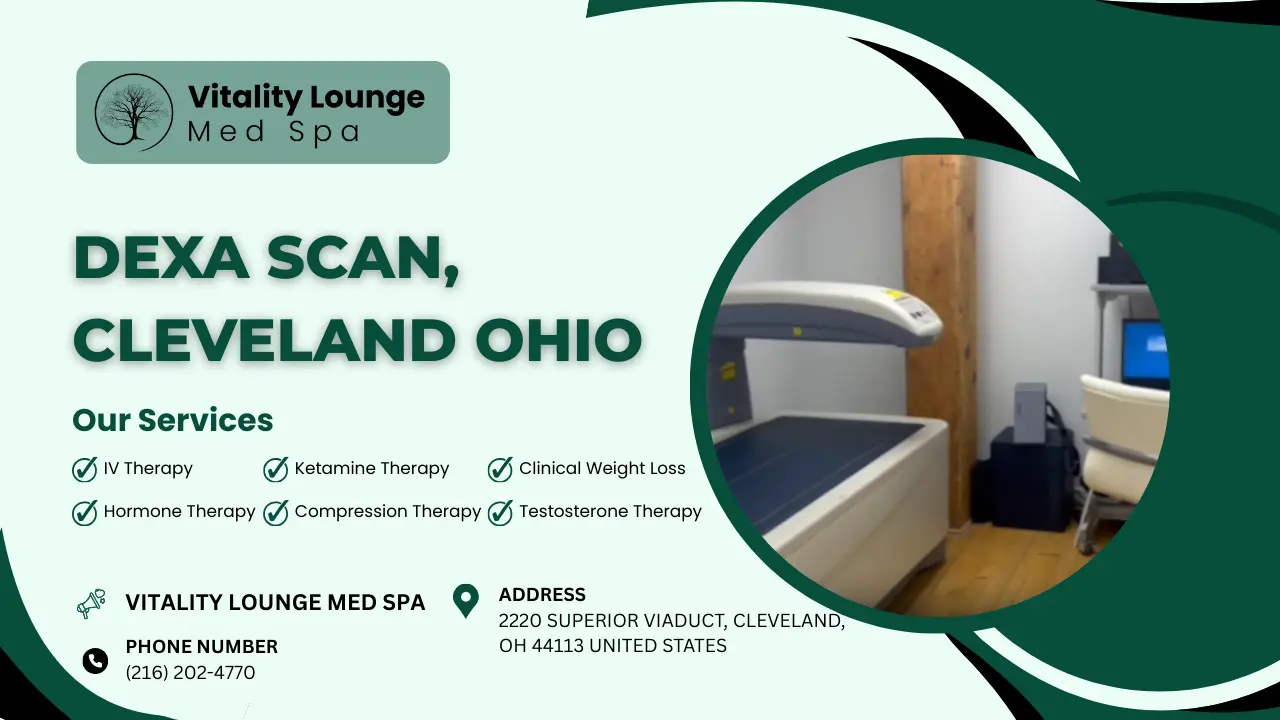
How a DEXA Scan Helps Track Bone Health During Aging
Aging affects the skeletal system, and bones can lose density unnoticed. A DEXA scan helps monitor bone health by measuring density and identifying concerns early, allowing for preventive action against bone loss and potential fractures.

What Role Hormone Replacement Therapy Plays in Managing Menopausal Symptoms Naturally
Menopause is a natural stage of life, yet for many women, it arrives with changes that feel anything but gentle. Hormone Replacement Therapy often enters the conversation at this point as a way to understand how restoring hormonal balance may help the body regulate itself more effectively.

What Role Does Sleep Quality Have in Supporting Testosterone Replacement Therapy Outcomes?
For men undergoing testosterone replacement therapy (TRT), sleep quality plays a pivotal role in determining the effectiveness of the treatment. Testosterone levels fluctuate naturally during the day, peaking during deep sleep. Without sufficient restorative sleep, even the most carefully administered TRT may not reach its full potential.