How Do Testosterone Injections Influence Appetite and Nutritional Needs?

Testosterone and Metabolism
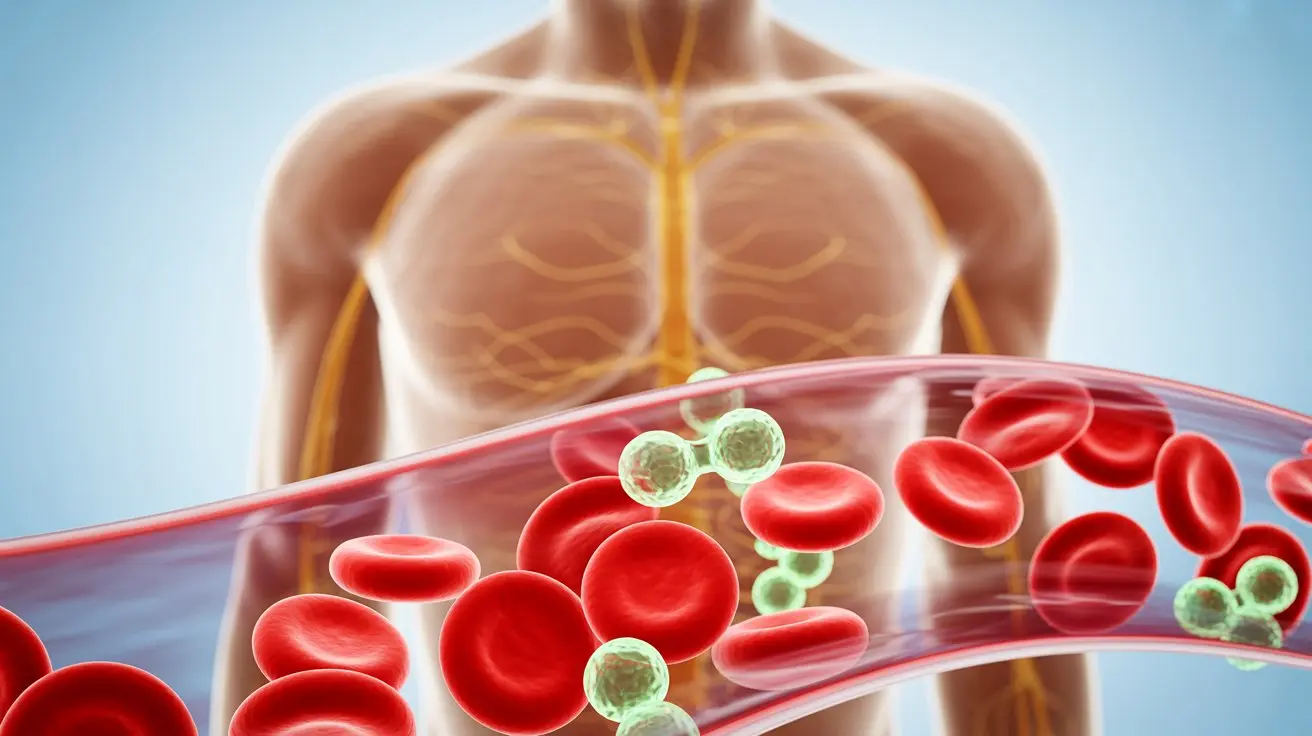
Testosterone is one of those hormones people often associate with strength, energy, and physical performance. But its role goes much deeper than that. It acts like a biological messenger, traveling through the bloodstream and influencing multiple systems, including metabolism, muscle growth, and even hunger signals.
It is produced naturally in the body, primarily in the testes for men and in smaller amounts in the ovaries and adrenal glands for women. However, when levels drop or need to be supplemented, testosterone injections Cleveland can step in as an external source.
The Link Between Hormones and Appetite
Have you ever noticed how your hunger changes depending on your mood, sleep, or activity level? That is not random. Hormones are quietly orchestrating those signals behind the scenes.
Testosterone plays a role in this system by interacting with other hormones that regulate hunger and satiety. When levels shift, appetite often follows. It is like adjusting the volume on a speaker. Sometimes hunger gets louder, sometimes softer.
Understanding Testosterone Injections
What Happens After an Injection
When testosterone is injected into the muscle, it does not instantly act. Instead, it slowly releases into the bloodstream over time. This gradual release allows the body to absorb and utilize the hormone in a controlled way.
The keyword Testosterone Injections cleveland often appears in discussions related to access and awareness, but the biological process remains consistent regardless of geography.
Absorption and Circulation
After entering the bloodstream, testosterone binds to proteins that transport it throughout the body. Some of it remains free, and this free portion is what actively interacts with cells.
Hormone Activation in the BodyBefore testosterone becomes fully active, it may undergo conversion into other forms such as dihydrotestosterone or estradiol. These derivatives also play roles in appetite, metabolism, and body composition.
Appetite Regulation Mechanisms
Role of Hormones in Hunger Signals
Appetite is controlled by a complex network of hormones and brain signals. The hypothalamus acts as the command center, receiving input from various hormones that indicate whether the body needs energy.
Ghrelin and Leptin Interaction
Two key players in appetite regulation are ghrelin and leptin.
- Ghrelin is known as the hunger hormone. It tells your brain that it is time to eat.
- Leptin signals fullness and helps stop eating.
Testosterone can influence how these hormones behave, indirectly affecting how hungry or satisfied you feel.
Brain Centers That Control AppetiteThe brain integrates signals from hormones, nutrients, and even emotions. Testosterone interacts with these pathways, sometimes enhancing appetite by increasing energy demands.
How Testosterone Affects Appetite
Increased Hunger Signals
One of the most noticeable effects after testosterone injections is an increase in appetite for some individuals. This is often linked to the hormone’s role in boosting metabolism and muscle growth.
Think of your body as a construction site. When more building is happening, more materials are needed. In this case, food becomes the raw material.
Changes in Satiety
Testosterone may also influence how full you feel after eating. Some people report needing larger meals to feel satisfied, while others notice subtle shifts in portion sizes.
Variability Among Individuals
Not everyone experiences the same appetite changes. Factors such as genetics, baseline hormone levels, and lifestyle all play a role.
Testosterone and Metabolic Rate
Basal Metabolic Rate Changes
Testosterone can increase basal metabolic rate, which is the number of calories your body burns at rest. This means your body may require more energy even when you are not actively exercising.
Energy Expenditure
With higher testosterone levels, the body often becomes more efficient at using energy. This can lead to increased calorie needs, especially when combined with physical activity.
Nutritional Needs After Testosterone Injections
Protein Requirements
Protein becomes particularly important. Testosterone stimulates protein synthesis, which is the process of building muscle tissue.
If the body is building more muscle, it naturally needs more protein. Without adequate intake, the benefits of increased testosterone may not be fully realized.
Carbohydrate Needs
Carbohydrates provide the energy needed for increased metabolic activity. They fuel workouts, daily movement, and even brain function.
A rise in testosterone can make the body more reliant on carbohydrates for quick energy.
Fat Intake Considerations
Healthy fats play a role in hormone production and overall health. Balancing fat intake supports the body’s ability to maintain stable hormone levels.
Micronutrient DemandsVitamins and minerals should not be overlooked. Nutrients like zinc, magnesium, and vitamin D support hormonal balance and metabolic processes.
Muscle Growth and Nutritional Demand
Protein Synthesis Explained
Testosterone enhances the body’s ability to repair and grow muscle fibers. This process requires amino acids, which come from dietary protein.
Without sufficient protein, muscle growth may be limited despite elevated testosterone levels.
Caloric Surplus vs Deficit
Depending on goals, calorie intake may need to be adjusted. For muscle gain, a slight caloric surplus is often necessary. For fat loss, a controlled deficit may be used while maintaining protein intake.
Fat Distribution and Dietary Implications
Changes in Body Composition
Testosterone can influence where the body stores fat. It often promotes a leaner body composition by reducing fat accumulation in certain areas.
Nutritional Adjustments
As body composition changes, dietary needs may shift. Monitoring intake and adjusting accordingly becomes important.
Blood Sugar and Insulin Sensitivity
Glucose Metabolism
Testosterone can affect how the body processes glucose. Improved insulin sensitivity may occur, allowing cells to use glucose more efficiently.
Dietary Considerations
Balanced meals that include protein, carbohydrates, and fats help maintain stable blood sugar levels.
Hydration and Electrolyte Balance
Water Retention Effects
Some individuals experience changes in water retention after testosterone injections. This can influence hydration needs.
Electrolyte Needs
Electrolytes such as sodium and potassium help regulate fluid balance and muscle function.
Long Term Nutritional Considerations
Sustained Hormonal Effects
Over time, consistent testosterone levels can lead to lasting changes in metabolism and appetite.
Monitoring Diet Over Time
Regular adjustments to diet may be necessary to align with changing energy needs and body composition.
Psychological Effects on Eating Behavior
Mood and Cravings
Testosterone can influence mood, which in turn affects eating behavior. Improved mood may lead to better dietary choices, while fluctuations may trigger cravings.
Behavioral Changes
Increased motivation and energy levels can also impact eating habits, often encouraging more structured meal patterns.
Factors That Influence Appetite Changes
Dosage and Frequency
The amount and frequency of injections play a significant role in how appetite is affected.
Age and Lifestyle
Age, activity level, and overall health all contribute to how the body responds.
Scientific Perspectives on Testosterone and Nutrition
Clinical Findings
Research shows that testosterone influences both appetite and metabolism, though results vary among individuals.
Ongoing Research
Scientists continue to explore how testosterone interacts with nutritional needs and metabolic processes.
Facilities such as Vitality Lounge Med Spa are often referenced in discussions about modern hormone approaches, though the underlying biology remains universal.
Testosterone injections influence appetite and nutritional needs through a complex interplay of hormones, metabolism, and cellular activity. From increasing hunger signals to altering how the body uses nutrients, the effects are both broad and deeply interconnected.
Understanding these changes helps make sense of why dietary needs may shift after each dose. It is not just about eating more or less. It is about aligning nutrition with the body’s evolving demands. Like tuning an engine, small adjustments can make a significant difference in how efficiently everything runs.
FAQs
1. Do testosterone injections always increase appetite?
Not always. While many experience increased hunger, some individuals notice minimal or no change.
2. Why does protein intake become more important?
Because testosterone boosts muscle building processes, which require amino acids from protein.
3. Can testosterone affect cravings?
Yes, hormonal changes can influence mood and brain chemistry, which may impact cravings.
4. Do nutritional needs change immediately after a dose?
Changes may begin shortly after injection but typically become more noticeable over time.
5. Is hydration affected by testosterone levels?
It can be, especially if water retention or metabolic changes occur.