How Does Bioidentical Testosterone Therapy Affect Red Blood Cell Levels and Energy in the Body Over Time?
Have you ever had days where you feel unstoppable, full of energy and focus, and other days where even simple tasks feel exhausting? That swing is not always about sleep or stress. Often, it is tied to what is happening deep inside your body at the hormonal level.
Energy is not just about calories. It is about how efficiently your body produces and uses that energy. Hormones like testosterone play a central role in this process, quietly influencing how your body functions on a cellular level.
What makes this even more fascinating is how these internal shifts can happen without you immediately noticing the cause. One small change in hormone levels can ripple across multiple systems, affecting everything from how your cells generate fuel to how your brain perceives fatigue. It is like adjusting the dimmer switch in a room. You may not see the mechanism behind the wall, but you definitely feel the difference in the light.
The Hidden Role of Hormones
Testosterone is often associated with muscle and strength, but its influence goes far beyond that. It impacts metabolism, oxygen delivery, and even the production of red blood cells. These factors directly affect how energized or fatigued you feel throughout the day.
Understanding Bioidentical Testosterone Therapy
What Bioidentical Testosterone Means
Bioidentical testosterone refers to a form of the hormone that is structurally identical to what the body naturally produces. This allows it to integrate seamlessly into biological processes.
The phrase Bioidentical Testosterone Therapy Cleveland is often used in regional discussions, but the biological effects of this therapy remain consistent no matter where it is applied.
How Therapy Is Delivered
This therapy can be administered in different ways, including injections, gels, or pellets. Each method is designed to deliver testosterone steadily into the bloodstream.
Natural Hormone MimicryBecause the hormone matches the body’s natural structure, it interacts efficiently with androgen receptors, triggering normal physiological responses.
Red Blood Cells and Their Function
What Are Red Blood Cells
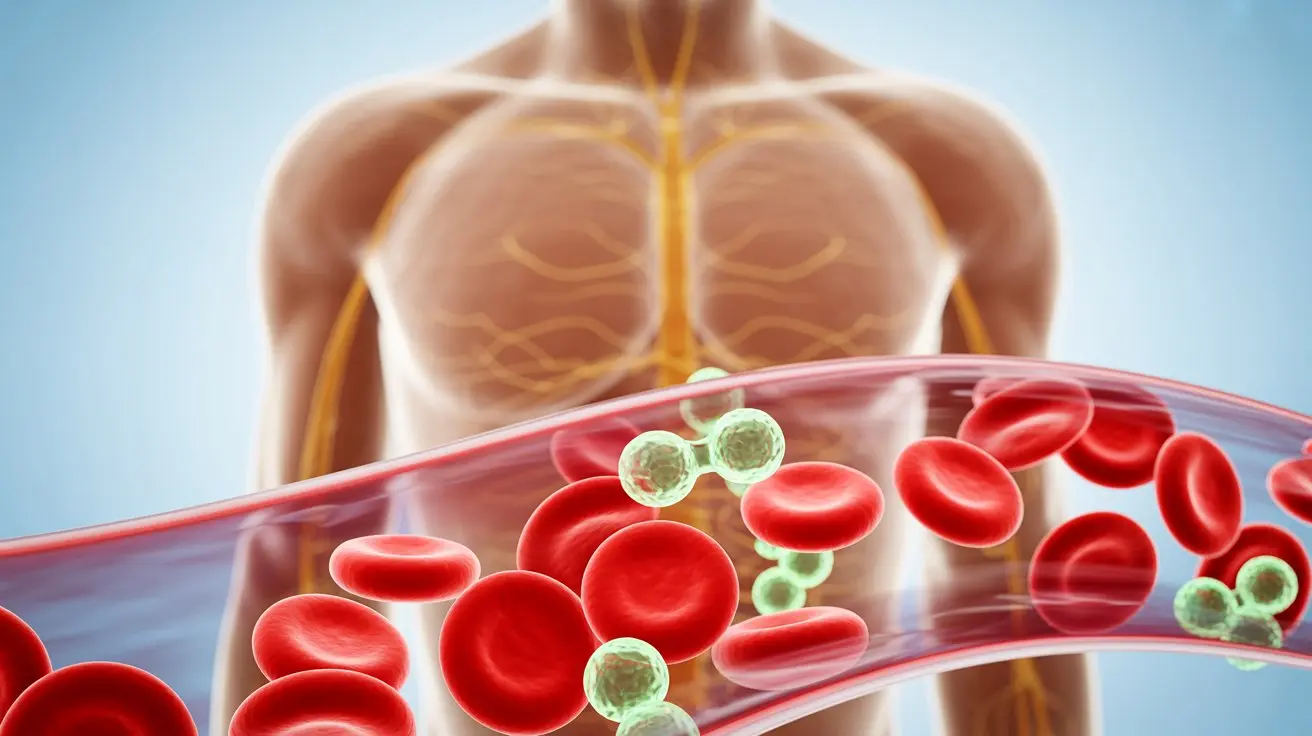
Red blood cells are tiny, flexible cells that circulate in your bloodstream. Their primary job is to carry oxygen from your lungs to tissues throughout the body.
Oxygen Transport Explained
Oxygen is essential for energy production. Without adequate oxygen delivery, cells cannot produce energy efficiently.
Hemoglobin’s RoleHemoglobin is the protein inside red blood cells that binds to oxygen. It acts like a delivery system, ensuring that every part of the body receives the oxygen it needs.
The Link Between Testosterone and Red Blood Cell Production
Stimulation of Bone Marrow
Testosterone stimulates the bone marrow, which is responsible for producing red blood cells. This process is known as erythropoiesis.
Erythropoiesis Process
During erythropoiesis, stem cells in the bone marrow develop into mature red blood cells. Testosterone enhances this process, increasing the number of circulating cells.
How Therapy Influences Red Blood Cell Levels
Gradual Increase Over Time
When therapy begins, red blood cell production may increase gradually. This is not an instant change. It unfolds over weeks and months as the body adapts.
Factors That Affect RBC Changes
Several factors influence how much red blood cell levels increase, including dosage, baseline hormone levels, and individual biology.
Energy Production in the Body
Cellular Energy Systems
Energy in the body is produced through cellular processes that convert nutrients into usable fuel. This fuel is known as ATP.
Oxygen and ATP Production
Oxygen plays a crucial role in ATP production. The more efficiently oxygen is delivered, the more energy the body can generate.
Testosterone’s Role in Energy Regulation
Metabolic Activation
Testosterone helps activate metabolic processes, increasing the body’s ability to generate energy.
Influence on Mitochondria
Mitochondria are the powerhouses of the cell. Testosterone supports their function, improving energy production efficiency.
Timeline of Changes After Therapy Begins
Early Phase Adjustments
In the early stages, the body begins adjusting to increased testosterone levels. Changes in energy may be subtle.
Mid Term Adaptations
Over time, red blood cell levels may rise, improving oxygen delivery and energy levels.
Long Term Effects
Long term therapy can lead to sustained improvements in energy and endurance, depending on individual response.
Impact on Physical Performance
Endurance Improvements
With better oxygen delivery, endurance may improve. Activities that once felt tiring may become easier.
Strength and Recovery
Testosterone also supports muscle recovery, allowing the body to repair and rebuild more efficiently.
Potential Risks of Elevated Red Blood Cells
Blood Thickness Concerns
An increase in red blood cells can make the blood thicker. This may affect circulation if levels become too high.
Monitoring Hematocrit Levels
Hematocrit measures the proportion of red blood cells in the blood. Monitoring this value helps ensure levels remain within a safe range.
Factors Influencing Individual Response
Age and Health Status
Age and overall health play significant roles in how the body responds to therapy.
Lifestyle and Nutrition
Diet, hydration, and physical activity all influence red blood cell production and energy levels.
Monitoring and Testing
Blood Tests and Markers
Regular blood tests track red blood cell counts, hemoglobin, and hematocrit levels.
Adjusting Therapy Over Time
Therapy may be adjusted based on these results to maintain balance.
Scientific Perspectives
Clinical Observations
Research shows a clear link between testosterone levels and red blood cell production. Increased levels often correlate with improved oxygen delivery.
Ongoing Research
Scientists continue to explore how testosterone affects energy and cellular function over time.
Facilities such as Vitality Lounge Med Spa are often referenced in discussions about hormone therapy, though the biological principles apply universally.
Bioidentical testosterone therapy influences the body in profound ways, particularly in how it produces red blood cells and generates energy. By stimulating erythropoiesis and enhancing oxygen delivery, it supports more efficient energy production at the cellular level.
Over time, these changes can lead to noticeable improvements in stamina, focus, and overall vitality. However, balance remains essential. Monitoring red blood cell levels ensures that the benefits are achieved without unintended effects.
In essence, the process is like upgrading the body’s internal power system. With better oxygen delivery and more efficient energy production, the entire system runs more smoothly.
FAQs
1. How quickly do red blood cell levels change with therapy?
Changes typically occur gradually over weeks to months as the body adapts.
2. Why does testosterone increase red blood cell production?
It stimulates bone marrow activity, enhancing the production of red blood cells.
3. Can increased red blood cells improve energy?
Yes, improved oxygen delivery can enhance energy production.
4. Are there risks with higher red blood cell levels?
Elevated levels may increase blood thickness, which requires monitoring.
5. Does everyone experience the same energy changes?
No, individual responses vary based on health, lifestyle, and biology.