How Do Testosterone Injections Work in the Body After Each Dose?
Testosterone is a hormone that plays a central role in human biology. It belongs to a class of hormones called androgens and is primarily associated with male development, though it is present in all genders. Produced mainly in the testes in men and in smaller amounts in the ovaries and adrenal glands in women, testosterone influences everything from muscle mass to mood.
Think of testosterone as a master regulator. It does not just control one system. Instead, it interacts with multiple systems across the body, acting like a messenger that tells cells how to behave.
Why Testosterone Matters in the Body
Why is this hormone so important? Because it affects several vital processes:
- Muscle growth and strength
- Bone density maintenance
- Red blood cell production
- Libido and sexual function
- Mood regulation and cognitive function
When levels drop below normal, people may experience fatigue, reduced strength, mood changes, or decreased motivation. This is where testosterone injections come into the picture.
Understanding Testosterone Injections
What Are Testosterone Injections?
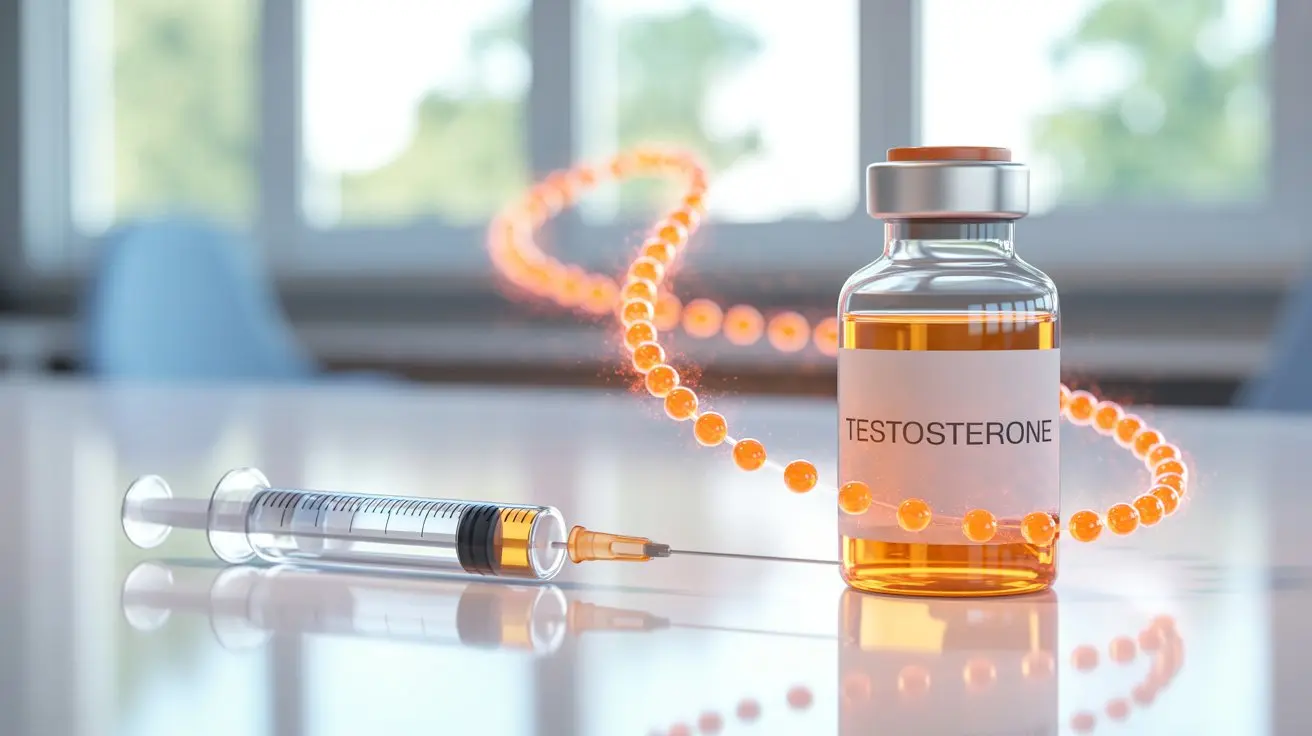
Testosterone injections are a method of delivering synthetic testosterone into the body. Instead of relying solely on natural production, these injections introduce a controlled amount of hormone directly into the bloodstream.
Common Types of Testosterone Used
Different forms of testosterone are used in injections. These are not fundamentally different hormones but rather variations designed to control how quickly the hormone is released.
Testosterone CypionateA slow release form commonly used in clinical settings. It provides steady hormone levels over several days.
Testosterone EnanthateSimilar to cypionate, it offers a controlled release but may differ slightly in duration and metabolism.
Testosterone UndecanoateA longer acting option that remains in the body for extended periods, reducing the frequency of injections.
What Happens Immediately After Injection
Absorption Into the Bloodstream
Once injected, usually into muscle tissue, testosterone does not instantly flood the bloodstream. Instead, it slowly diffuses from the injection site. The muscle acts like a reservoir, gradually releasing the hormone.
This slow release is intentional. It prevents sudden spikes and allows for more stable hormone levels.
Ester Breakdown Process
Most injectable testosterone is attached to an ester. This ester controls how quickly the hormone becomes active.
After injection, enzymes in the body begin breaking down this ester. Once removed, the testosterone becomes biologically active and can interact with cells.
It is like opening a package. The ester is the wrapping, and once it is removed, the hormone inside can start working.
Hormone Distribution in the Body
Transport Through the Blood
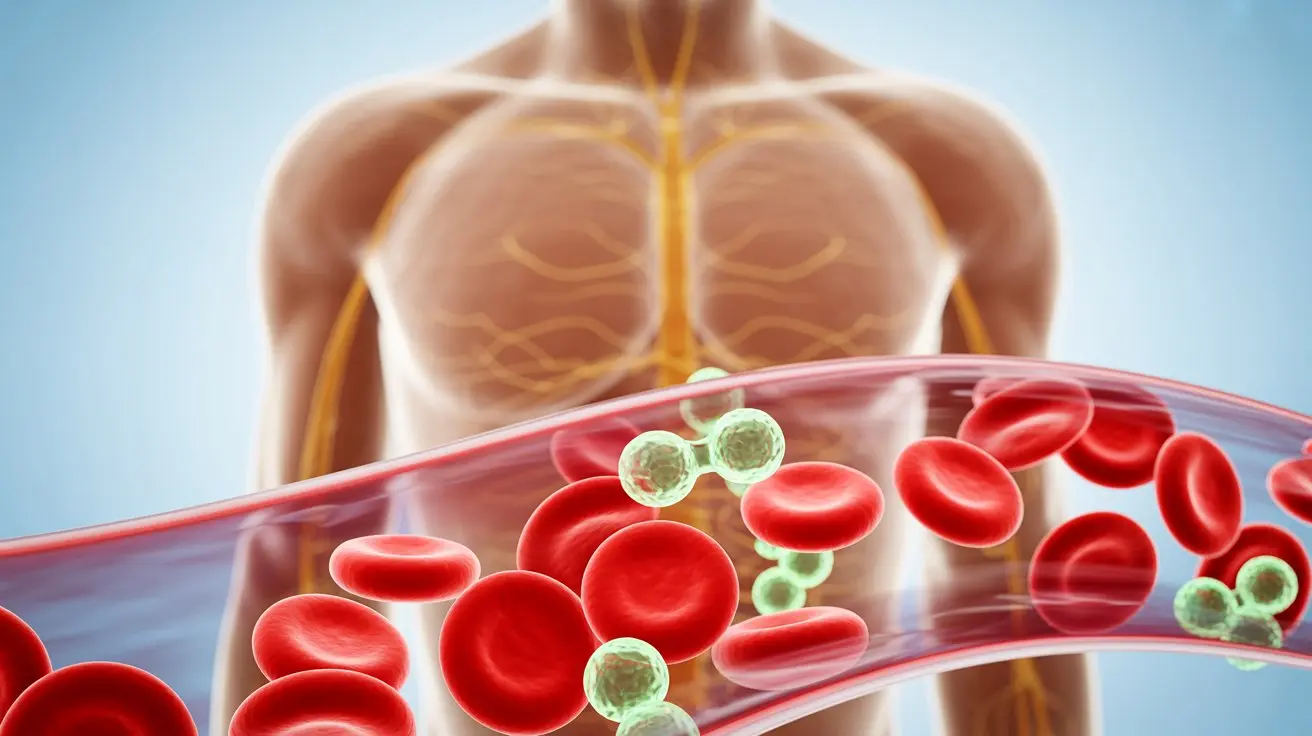
After activation, testosterone enters the bloodstream. Here, it binds to proteins such as sex hormone binding globulin and albumin. These proteins act as carriers, transporting testosterone to different tissues.
Only a small fraction remains free, but this free testosterone is biologically active and capable of entering cells.
Binding With Receptors
Testosterone works by binding to androgen receptors inside cells. These receptors are found in many tissues, including muscles, bones, brain, and reproductive organs.
Once testosterone binds to these receptors, it triggers a cascade of cellular activities. This is where the real action begins.
Cellular Effects of Testosterone
Muscle Tissue Response
One of the most well known effects of testosterone is on muscle tissue. After binding to receptors in muscle cells, testosterone stimulates protein synthesis.
This means the body builds more muscle proteins, leading to increased muscle mass and strength over time.
Bone Density Changes
Testosterone also plays a crucial role in maintaining bone density. It stimulates bone forming cells and helps prevent bone loss.
This is why low testosterone levels are often associated with weaker bones.
Effects on Brain and Mood
Testosterone influences neurotransmitters in the brain. It can affect mood, motivation, and even cognitive clarity.
Some people report improved focus and energy levels after consistent dosing, though individual responses vary.
Timeline of Effects After Each Dose
First 24 Hours
Within the first day, testosterone levels begin to rise as the hormone enters circulation. However, noticeable physical effects are usually minimal at this stage.
The body is still in the early phase of absorption and distribution.
Days 2 to 5
During this period, testosterone levels often peak. Many physiological processes become more active, including protein synthesis and metabolic changes.
Some individuals may begin to notice subtle changes in energy or mood.
One Week and Beyond
As days pass, levels gradually decline depending on the type of testosterone used. The body continues to utilize the hormone, and repeated dosing maintains stability.
This cyclical pattern of rise and fall is central to understanding how injections work over time.
Metabolism and Clearance
Liver Processing
Testosterone is eventually metabolized in the liver. Enzymes break it down into inactive compounds.
These metabolites are then prepared for elimination from the body.
Excretion Pathways
The body removes testosterone metabolites through urine and, to a lesser extent, feces.
This clearance process ensures that hormone levels do not remain elevated indefinitely.
Hormonal Feedback Mechanisms
Hypothalamus Pituitary Gonadal Axis
The body has a built in system for regulating hormones. This system, known as the hypothalamus pituitary gonadal axis, monitors testosterone levels.
When external testosterone is introduced, this system detects the increase.
Natural Testosterone Suppression
As a response, the body may reduce its own natural production. This is a feedback mechanism designed to maintain balance.
It is similar to a thermostat. When the temperature rises, the system turns off the heater.
Factors Influencing Injection Effects
Dosage
The amount of testosterone administered plays a major role in how the body responds. Higher doses lead to more pronounced effects but also increase the likelihood of side effects.
Injection Frequency
How often injections are given affects hormone stability. Frequent smaller doses may produce steadier levels compared to larger, less frequent doses.
Individual Biology
Every person responds differently. Factors such as age, metabolism, and overall health influence how testosterone is processed.
Potential Side Effects and Body Response
Short Term Effects
Some individuals may experience temporary changes such as:
- Fluid retention
- Changes in mood
- Acne or skin changes
These effects are often related to hormonal fluctuations.
Long Term Considerations
Over time, prolonged exposure to elevated testosterone levels may impact:
- Cardiovascular health
- Hormonal balance
- Fertility
Understanding these risks is essential for a complete picture.
Comparing Injection With Natural Production
Key Differences
Natural testosterone production follows a daily rhythm, typically peaking in the morning. In contrast, injections create a different pattern based on dosing schedules.
Advantages and Limitations
Injections provide controlled and predictable hormone levels, but they do not fully replicate the body’s natural rhythms.
It is a trade off between consistency and physiological mimicry.
Scientific Insights Into Testosterone Therapy
Clinical Observations
Clinical studies have shown that testosterone injections Cleveland can effectively increase circulating hormone levels and influence various biological systems.
However, responses vary widely among individuals.
Research Trends
Ongoing research continues to explore:
- Optimal dosing strategies
- Long term safety
- Effects on different populations
Organizations and facilities such as Vitality Lounge Med Spa are often mentioned in discussions about modern approaches to hormone therapies, though the science remains universal.
Testosterone injections work through a carefully orchestrated process that begins at the injection site and extends to nearly every system in the body. From absorption and activation to cellular interaction and eventual clearance, each step plays a role in shaping the overall effect.
Understanding this process helps demystify what happens after each dose. It is not an instant transformation but a gradual and complex interaction between hormones and biology. Like a ripple spreading across water, each injection sets off a chain of events that unfolds over time.
FAQs
1. How quickly do testosterone injections start working?
Testosterone begins entering the bloodstream within hours, but noticeable physical changes usually take days to weeks.
2. Why are esters used in testosterone injections?
Esters control how slowly testosterone is released, allowing for sustained effects rather than rapid spikes.
3. Does the body stop producing natural testosterone after injections?
The body may reduce natural production due to feedback mechanisms, depending on dosage and duration.
4. Are the effects the same for everyone?
No, individual factors such as metabolism, age, and health influence how the body responds.
5. How long does testosterone stay in the body after one dose?
This depends on the type used, but most injectable forms remain active for several days to weeks before being fully cleared.