How Do Testosterone Pellets Influence Mood Stability and Emotional Balance?

Ever wondered why your mood sometimes feels like a roller coaster? One moment you are calm and focused, and the next you feel irritable or low without a clear reason. A big part of that emotional fluctuation comes down to hormones.
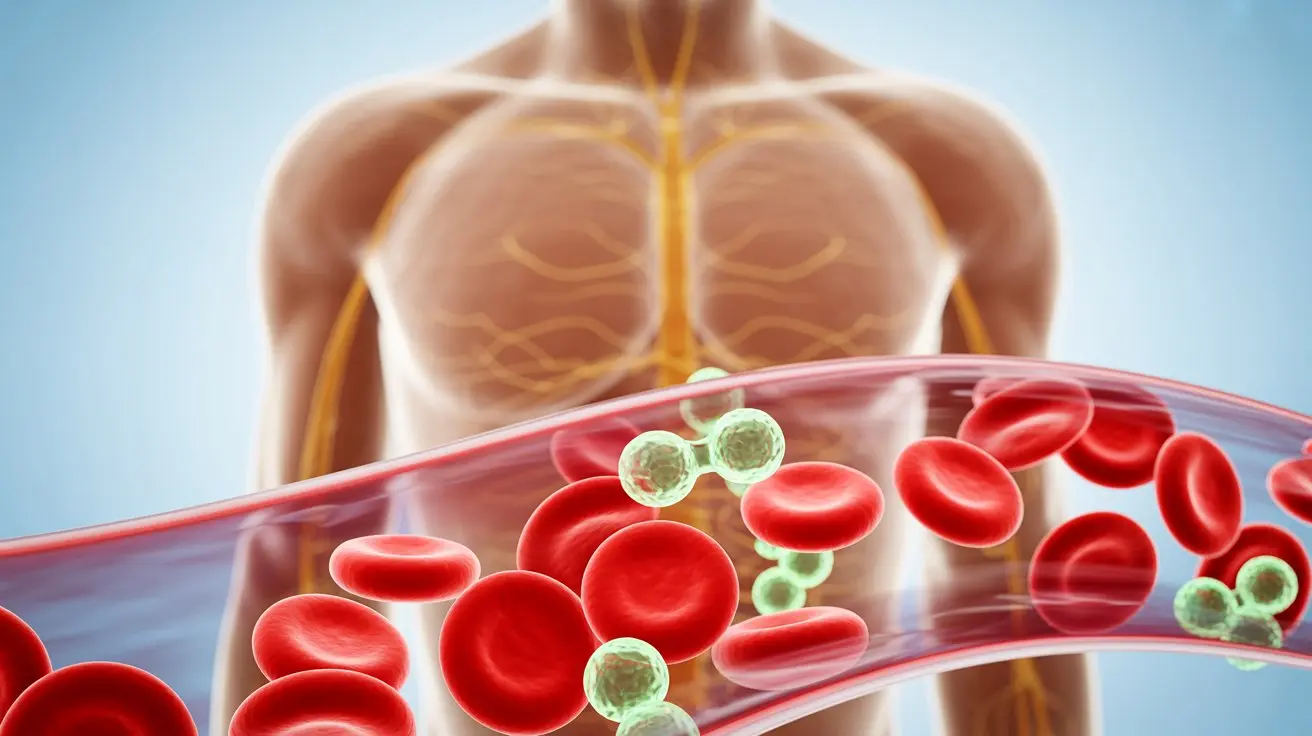
Hormones act like messengers that travel through your bloodstream, influencing how your brain functions. Testosterone, in particular, plays a subtle yet powerful role in shaping mood, motivation, and emotional resilience. It is not just about physical strength. It is also about mental steadiness.
Why Emotional Balance Matters
Emotional balance is more than just feeling good. It is about maintaining stability in the face of everyday stress. When your emotions are steady, you think more clearly, react more calmly, and handle challenges with greater ease.
When hormone levels fluctuate, emotional balance can shift as well. That is where steady delivery systems like testosterone pellets come into the discussion.
Understanding Testosterone Pellets
What Are Testosterone Pellets?
Testosterone pellets are small implants placed under the skin that release testosterone slowly over time. They are designed to provide a consistent supply of hormone rather than sudden bursts.
The term Testosterone Pellets cleveland is often mentioned in broader discussions, but the biological principles behind pellets are universal and not tied to any one location.
How They Function in the Body
Once inserted, these pellets begin to dissolve gradually. As they break down, they release testosterone into the bloodstream in small, steady amounts.
Bioidentical Hormone BasicsThe testosterone used in pellets is often bioidentical, meaning it matches the structure of the hormone naturally produced by the body. This allows it to integrate seamlessly into existing biological processes.
The Brain and Testosterone Connection
Neurotransmitters and Hormones
The brain relies on chemicals called neurotransmitters to regulate mood. These include serotonin, dopamine, and gamma aminobutyric acid. Testosterone interacts with these systems, influencing how signals are transmitted.
Testosterone’s Role in Brain Chemistry
Testosterone can enhance dopamine activity, which is linked to motivation and reward. It may also influence serotonin levels, which are associated with mood stability.
Key Brain Regions AffectedAreas such as the amygdala and prefrontal cortex are particularly sensitive to hormonal changes. These regions are responsible for emotional processing and decision making.
Mood Stability and Hormonal Fluctuations
What Causes Mood Swings
Mood swings often occur when hormone levels rise and fall rapidly. Sudden changes can disrupt the brain’s chemical balance, leading to emotional highs and lows.
Importance of Stable Hormone Levels
Consistency is key. When hormone levels remain stable, the brain has an easier time maintaining equilibrium. This is where testosterone pellets offer a unique advantage.
How Testosterone Pellets Affect Mood
Gradual Hormone Release
Unlike injections or other methods that may cause spikes, pellets release testosterone slowly. This gradual delivery helps maintain a steady level in the bloodstream.
Reduction in Hormonal Peaks and Drops
By avoiding sharp increases and decreases, pellets minimize the risk of mood swings. It is like maintaining a steady temperature in a room instead of constantly adjusting the thermostat.
Emotional Consistency Over Time
With stable hormone levels, many individuals experience more predictable emotional patterns. This can translate into fewer mood fluctuations and improved overall balance.
Impact on Anxiety and Stress
Cortisol Interaction
Cortisol is known as the stress hormone. Testosterone interacts with cortisol levels, potentially influencing how the body responds to stress.
Stress Response Modulation
Stable testosterone levels may help moderate stress responses, allowing individuals to feel calmer under pressure.
Effects on Depression and Motivation
Energy and Drive
Testosterone is closely linked to energy levels. When levels are balanced, people often feel more motivated and engaged in daily activities.
Emotional Resilience
With improved energy and motivation, emotional resilience may also increase. Challenges feel more manageable, and setbacks may have less impact.
Sleep and Emotional Balance
Hormonal Influence on Sleep Cycles
Testosterone plays a role in regulating sleep patterns. Balanced levels can support healthier sleep cycles.
Sleep Quality and Mood
Better sleep often leads to improved mood. When you rest well, your brain processes emotions more effectively.
Social Behavior and Confidence
Self Perception Changes
Hormones can influence how individuals perceive themselves. Balanced testosterone levels may contribute to increased confidence.
Interpersonal Interactions
Confidence and emotional stability often improve social interactions, making communication smoother and more effective.
Individual Variability in Emotional Response
Genetics and Brain Chemistry
Not everyone responds to testosterone in the same way. Genetic factors and individual brain chemistry play significant roles.
Lifestyle and Environment
Diet, exercise, and stress levels all influence how the body reacts to hormonal changes.
Long Term Emotional Effects
Sustained Stability
Over time, consistent hormone delivery may support long term emotional stability.
Adaptation Over Time
The body adapts to steady hormone levels, which can lead to more predictable emotional patterns.
Potential Emotional Side Effects
Short Term Mood Changes
Some individuals may experience temporary mood changes as the body adjusts to new hormone levels.
Long Term Considerations
Long term effects depend on various factors, including dosage and overall health.
Scientific Insights Into Hormone and Mood
Clinical Observations
Research suggests that stable testosterone levels are associated with improved mood consistency, though individual outcomes vary.
Ongoing Research
Scientists continue to study the relationship between hormones and emotional health.
Testosterone pellets influence mood stability and emotional balance by delivering hormones in a steady and controlled manner. This gradual release helps minimize fluctuations that can disrupt emotional equilibrium.
By interacting with brain chemistry, stress responses, and energy levels, testosterone plays a key role in shaping how we feel and respond to the world around us. When delivered consistently, it can support a more balanced emotional state.
Understanding this process highlights the importance of stability in hormone regulation. It is not about sudden changes or quick fixes. It is about creating a steady foundation that allows the mind and body to function in harmony.
FAQs
1. Do testosterone pellets directly improve mood?
They influence hormones that affect mood, which may lead to improved emotional stability in some individuals.
2. How long does it take to notice emotional changes?
Changes may develop gradually over weeks as hormone levels stabilize.
3. Can testosterone pellets reduce anxiety?
They may help regulate stress responses, but effects vary between individuals.
4. Are mood changes immediate after insertion?
Not typically. The release is gradual, so emotional effects develop over time.
5. Do all individuals experience the same emotional effects?
No, responses differ based on biology, lifestyle, and overall health.