How Does a Low Testosterone Clinic Assess Recovery Patterns After Minor Injuries?

When you get a minor injury, like a muscle strain or a small ligament sprain, your body jumps into repair mode almost instantly.
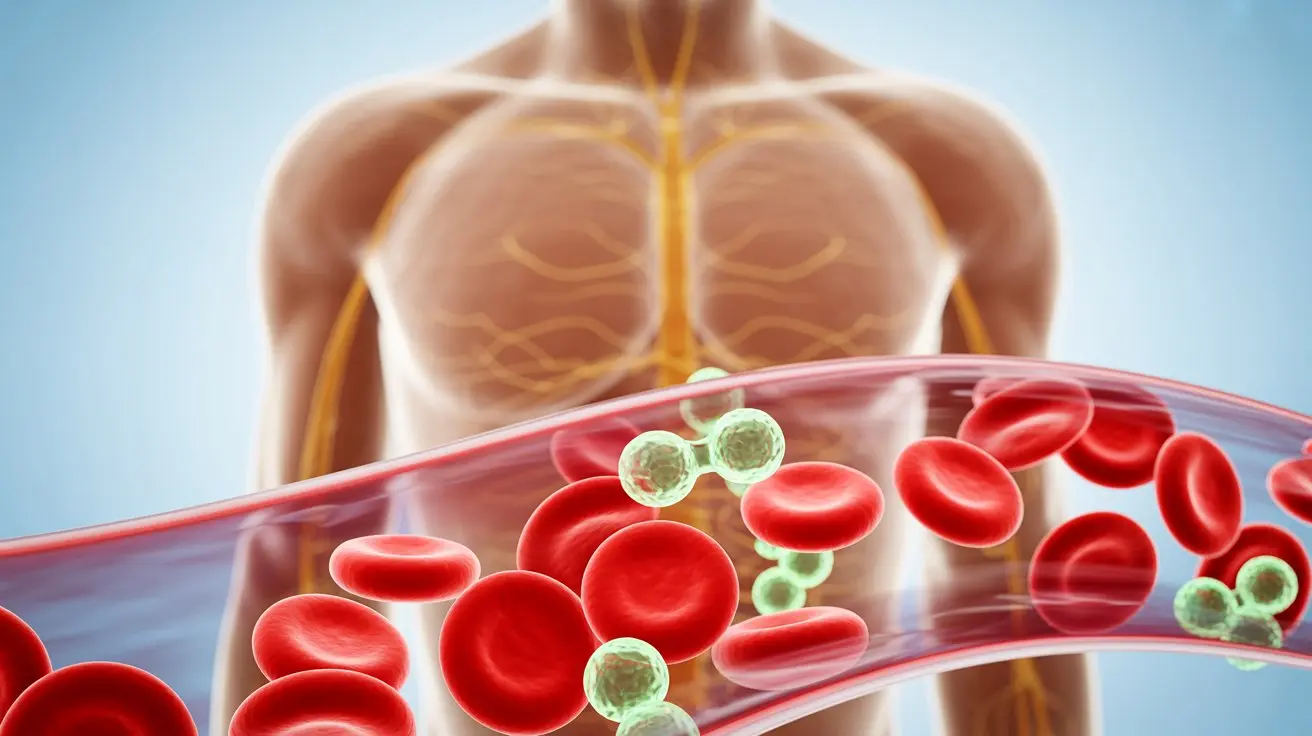
But here is the interesting part. Not everyone heals at the same pace. Some people bounce back quickly, while others take longer to recover even from minor setbacks. So what makes the difference? Recovery patterns. These patterns reflect how your body repairs tissue, manages inflammation, and restores function over time. Understanding these patterns helps reveal whether your body is healing efficiently or struggling behind the scenes.
The Role of Hormones in Healing
Hormones play a huge role in how the body heals. Testosterone, in particular, influences muscle repair, protein synthesis, and even inflammation control. When testosterone levels are low, the recovery process may slow down, making injuries linger longer than expected. That is why hormone focused assessments are often part of evaluating recovery. The phrase Low Testosterone Clinic Cleveland frequently appears in discussions around this topic, but the science applies universally regardless of location.
Understanding Low Testosterone Clinics
What Is a Low Testosterone Clinic?
A low testosterone clinic focuses on evaluating hormone levels and understanding how they impact overall health, including recovery processes. These clinics often analyze how hormonal balance influences physical performance, healing, and energy levels.
Scope of Assessment and Monitoring
The assessment goes beyond simple hormone measurement. It includes evaluating physical function, lifestyle habits, and biological markers that indicate how well the body is recovering.
Clinical Evaluation Framework
Clinics typically follow a structured approach. They gather baseline data, monitor progress over time, and adjust their understanding based on observed patterns.
The Biology of Injury Recovery
Phases of Tissue Healing
Recovery from minor injuries follows three main phases:
- Inflammation phase, where the body responds to injury
- Repair phase, where new tissue begins to form
- Remodeling phase, where tissue strengthens and adapts
Each phase must occur in sequence for proper healing.
Cellular Repair Mechanisms
At the cellular level, recovery involves protein synthesis, cell regeneration, and the removal of damaged tissue. Testosterone plays a supportive role in many of these processes.
Testosterone’s Role in Recovery
Muscle Repair and Growth
Testosterone stimulates protein synthesis, which helps rebuild muscle fibers damaged during injury. This process is essential for restoring strength and function.
Anti Inflammatory Effects
Testosterone may also help regulate inflammation. Balanced inflammation is necessary for healing, but excessive inflammation can delay recovery.
Impact on Collagen Synthesis
Collagen is a key component of connective tissue. Testosterone influences collagen production, which affects how ligaments and tendons repair themselves.
Initial Patient Assessment
Medical History Review
The first step in assessing recovery patterns is understanding the patient’s history. This includes previous injuries, chronic conditions, and lifestyle habits.
Injury Assessment Techniques
Clinicians evaluate the type and severity of the injury. Even minor injuries can vary significantly in how they affect the body.
Baseline Functional Testing
Baseline tests measure strength, flexibility, and range of motion. These metrics provide a starting point for tracking recovery progress.
Tracking Recovery Patterns
Monitoring Pain Levels
Pain is one of the most immediate indicators of recovery. Clinics often use standardized scales to track how pain changes over time.
Measuring Mobility and Strength
Recovery is not just about pain reduction. It is also about restoring movement and strength. Regular assessments help determine whether progress is on track.
Evaluating Healing Timeframes
Clinicians compare actual recovery time with expected timelines. Delays may signal underlying issues such as hormonal imbalance.
Hormonal Testing and Analysis
Blood Test Indicators
Blood tests measure testosterone levels along with other hormones that influence recovery. These include cortisol and growth related factors.
Hormone Level Fluctuations
Hormone levels are not static. They fluctuate throughout the day and can be influenced by stress, sleep, and nutrition.
Data Driven Recovery Insights
Interpreting Biomarkers
Biomarkers provide measurable indicators of recovery. These include inflammation markers, protein levels, and hormone concentrations.
Identifying Delayed Recovery
When recovery is slower than expected, clinicians look for patterns in the data. Low testosterone levels may be one contributing factor.
Lifestyle Factors in Recovery
Nutrition and Healing
Nutrition supplies the building blocks for tissue repair. Protein, vitamins, and minerals all play essential roles.
Sleep and Regeneration
Sleep is when much of the body’s repair work happens. Poor sleep can significantly delay recovery.
Physical Activity Levels
Too much or too little activity can affect healing. Finding the right balance is key.
Advanced Monitoring Techniques
Imaging and Diagnostics
Techniques such as ultrasound or MRI can provide visual insights into tissue healing.
Wearable Technology Data
Wearable devices can track activity levels, heart rate, and sleep patterns, offering additional data points.
Individual Variability in Recovery
Age and Metabolism
Younger individuals often recover faster due to higher metabolic rates and hormone levels.
Genetic Influences
Genetics can influence how efficiently the body repairs itself.
Long Term Recovery Tracking
Pattern Recognition Over Time
By analyzing data over weeks or months, clinicians can identify trends in recovery.
Adjusting Recovery Strategies
If progress is slower than expected, adjustments may be made to support better outcomes.
Scientific Perspectives on Hormones and Healing
Clinical Observations
Research shows that testosterone levels are linked to recovery efficiency, particularly in muscle and connective tissue repair. Emerging Research Ongoing studies continue to explore the relationship between hormones and injury recovery.
Assessing recovery patterns after minor injuries involves a detailed and multi layered approach. From tracking physical progress to analyzing hormonal levels, every piece of data contributes to a clearer understanding of how the body heals. Testosterone plays a meaningful role in this process, influencing everything from muscle repair to inflammation control. By examining recovery patterns alongside hormone levels, clinicians can better understand why some individuals heal quickly while others take longer. Ultimately, recovery is not just about time. It is about how effectively the body responds to injury. And when you look closely, hormones are often a key part of that story.
FAQs
- Why do some people recover faster from minor injuries? Recovery speed depends on factors like hormone levels, age, nutrition, and overall health.
- How does testosterone affect healing? It supports muscle repair, protein synthesis, and inflammation regulation.
- Are hormone levels always tested during recovery assessment? Not always, but they may be evaluated if recovery is slower than expected.
- Can lifestyle changes improve recovery patterns? Yes, proper nutrition, sleep, and activity levels can significantly influence healing.
- Do minor injuries always require detailed assessment? Most heal naturally, but detailed assessment helps identify issues when recovery is delayed.