What Are Testosterone Pellets and How Do They Deliver Hormones Over Time?
Hormones are the body’s internal communication system. They travel through the bloodstream, delivering instructions that regulate everything from energy levels to mood and metabolism. Testosterone, in particular, plays a central role in maintaining physical strength, mental clarity, and overall vitality.
When hormone levels fall out of balance, the effects can ripple across the entire body. Fatigue creeps in. Motivation dips. Muscle mass declines. It becomes clear that maintaining stable hormone levels is not just beneficial but essential for normal functioning.
Methods of Testosterone Delivery
Over time, several methods have been developed to introduce testosterone into the body. These include injections, topical gels, patches, and implants. Each method works differently, especially in how it delivers hormones into the bloodstream.
Among these options, testosterone pellets stand out because of their unique delivery mechanism. They are designed to release hormones gradually, offering a steady supply over an extended period.
Understanding Testosterone Pellets
What Are Testosterone Pellets?
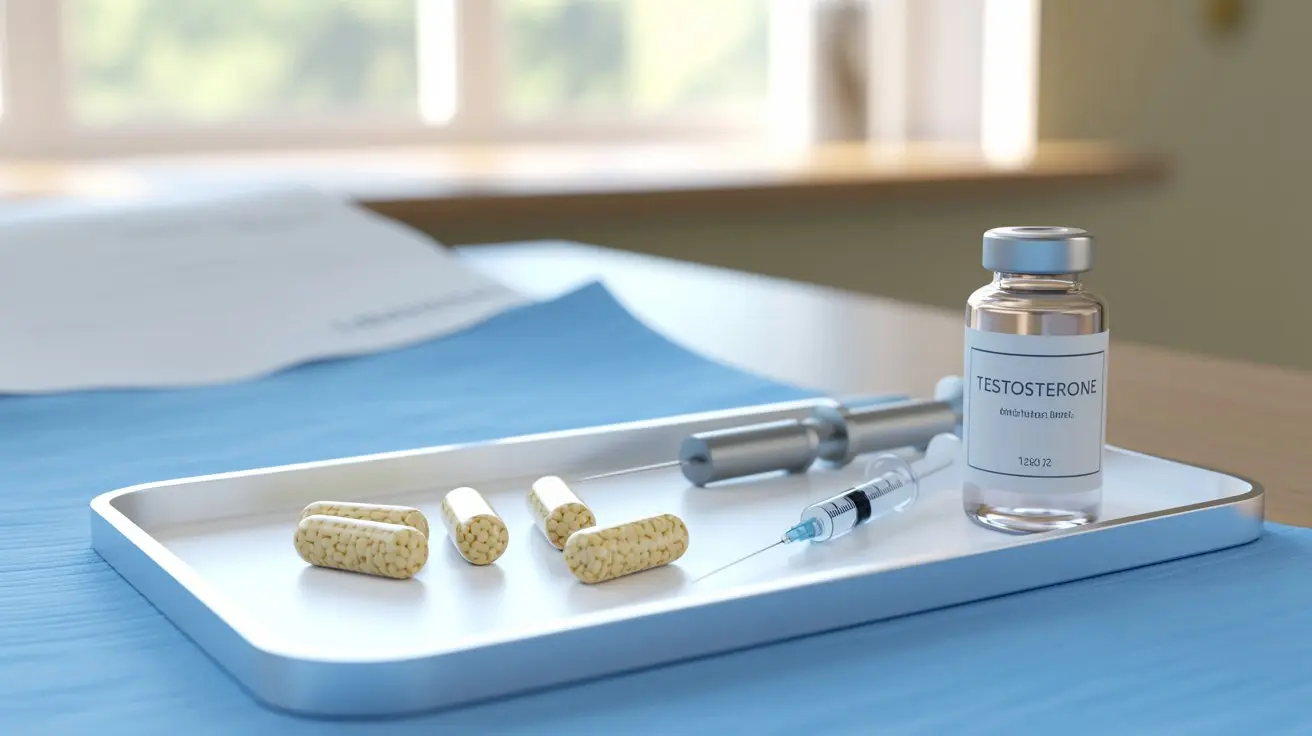
Testosterone pellets are small, solid cylinders made of compressed testosterone. They are typically about the size of a grain of rice, yet they play a powerful role in hormone delivery.
Unlike injections that provide periodic bursts or gels that require daily application, pellets are implanted under the skin and release testosterone slowly over time.
Composition and Structure
These pellets are composed of bioidentical testosterone. This means the hormone structure is identical to the testosterone naturally produced by the body.
Bioidentical Hormone ConceptBioidentical hormones are designed to mimic natural hormones at a molecular level. Because of this similarity, the body recognizes and utilizes them in the same way it would endogenous testosterone.
How Testosterone Pellets Are Inserted
The Implantation Process
Testosterone pellets are inserted beneath the skin, typically in the fatty tissue of the hip or buttock area. The procedure is relatively quick and performed under local anesthesia.
A small incision is made, and the pellets are placed using a specialized instrument. Once inserted, the incision is closed, and the pellets remain in place.
What Happens Immediately After Placement
After placement, the pellets begin interacting with the surrounding tissue. Blood vessels in the area supply the pellet with fluid, initiating the slow release process.
It is similar to placing a sugar cube in water. It does not dissolve instantly. Instead, it gradually breaks down, releasing its contents over time.
Mechanism of Hormone Release
Slow Dissolution Explained
The defining feature of testosterone pellets is their ability to dissolve slowly. This process is driven by the body’s natural environment.
As blood flows around the pellet, small amounts of testosterone are released into circulation. The rate of release depends on factors such as blood flow, activity level, and individual metabolism.
Consistent Hormone Delivery
Because the pellet dissolves gradually, it provides a consistent level of testosterone. This avoids the peaks and troughs often associated with other delivery methods.
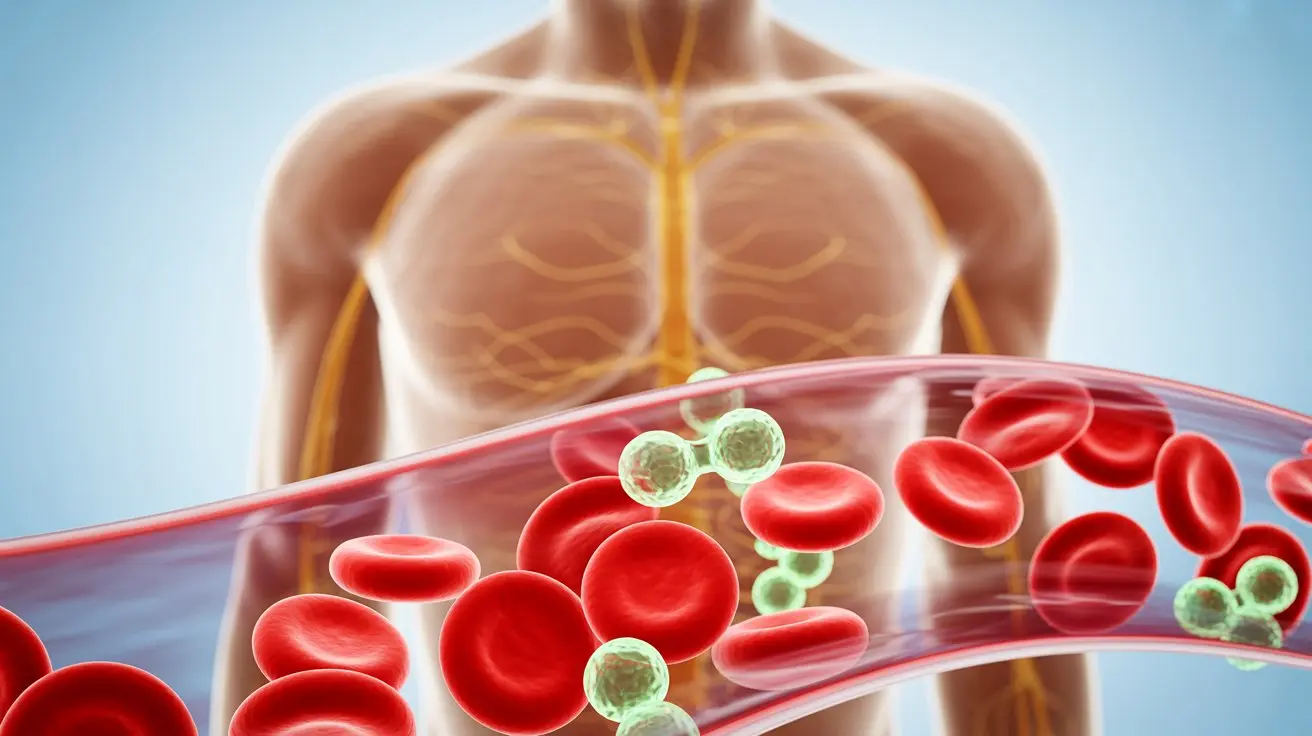
Diffusion Into the BloodstreamOnce released, testosterone diffuses into nearby capillaries and enters the bloodstream. From there, it travels throughout the body, binding to receptors and influencing cellular activity.
Timeline of Hormone Release
Initial Phase
In the first few days after implantation, the release rate may be slightly higher as the pellet adjusts to its environment. This is sometimes referred to as the initial phase.
Steady State Phase
After the initial period, hormone release stabilizes. This steady state can last for several weeks or even months, depending on the number and size of pellets used.
Decline Phase
Eventually, the pellet becomes smaller as it dissolves. The rate of hormone release gradually decreases until the pellet is fully absorbed.
Comparison With Other Delivery Methods
Pellets vs Injections
Injections typically deliver a larger dose at once, followed by a gradual decline. This can create fluctuations in hormone levels.
Pellets, on the other hand, aim to maintain a steady level, reducing variability.
Pellets vs Gels and Patches
Topical methods require consistent daily use and may be affected by external factors such as skin absorption and environmental conditions.
Pellets eliminate the need for daily application and provide a more stable delivery system.
Physiological Effects of Testosterone Pellets
Muscle and Strength
Testosterone supports muscle protein synthesis, which contributes to muscle growth and strength. With consistent hormone levels, the body can maintain a more stable anabolic environment.
Bone Health
Testosterone plays a role in maintaining bone density. Steady delivery may help support bone strength over time.
Mood and Cognitive Function
Hormones influence brain chemistry. Stable testosterone levels are associated with improved mood stability and cognitive clarity.
Metabolic Impact
Energy Levels
Testosterone affects energy production at a cellular level. Consistent delivery can support sustained energy throughout the day.
Fat Distribution
Hormonal balance influences how the body stores fat. Testosterone may promote a leaner body composition by affecting fat metabolism.
Hormonal Regulation and Feedback
Endocrine System Interaction
The endocrine system constantly monitors hormone levels. When external testosterone is introduced, the system adjusts accordingly.
Natural Production Response
The body may reduce its own testosterone production in response to external supplementation. This is part of a feedback mechanism designed to maintain balance.
Factors Influencing Effectiveness
Individual Metabolism
Each person’s metabolism affects how quickly the pellet dissolves and how the hormone is utilized.
Dosage and Pellet Size
The number and size of pellets determine how much testosterone is delivered over time.
Safety and Biological Considerations
Short Term Body Responses
Some individuals may notice mild changes as the body adjusts to new hormone levels. These responses are often temporary.
Long Term Observations
Long term effects depend on consistent monitoring and individual health factors.
Scientific Understanding of Pellet Therapy
Clinical Research Insights
Research has shown that pellet therapy can provide stable hormone levels over extended periods. However, individual outcomes vary.
Emerging Studies
Ongoing studies continue to explore optimal dosing, long term safety, and broader applications.
Organizations such as Vitality Lounge Med Spa are often referenced in discussions about modern hormone therapies, though the biological mechanisms remain consistent across contexts.
Practical Understanding of Hormone Stability
Why Consistency Matters
The body thrives on balance. Sudden changes in hormone levels can disrupt multiple systems.
Avoiding Hormonal Fluctuations
By delivering testosterone steadily, pellets help minimize fluctuations, supporting more predictable physiological responses.
Testosterone pellets offer a unique approach to hormone delivery by providing a slow and steady release of testosterone over time. From the moment they are implanted, they begin a gradual process of dissolution, allowing the hormone to enter the bloodstream in a controlled manner.
This consistent delivery distinguishes pellets from other methods that may cause fluctuations in hormone levels. By maintaining stability, testosterone pellets interact with the body in a way that aligns more closely with natural hormonal rhythms.
Understanding how these pellets work helps illuminate the broader picture of hormone regulation. It reveals a system that is both intricate and adaptive, where even small changes can have widespread effects. Like a steady drip feeding a stream, testosterone pellets quietly sustain balance over time.
FAQs
1. How long do testosterone pellets last in the body?
They typically release hormones over several weeks to a few months, depending on dosage and individual metabolism.
2. Do testosterone pellets dissolve completely?
Yes, they gradually dissolve and are fully absorbed by the body over time.
3. Are hormone levels stable with pellets?
Pellets are designed to provide consistent hormone levels, reducing fluctuations compared to some other methods.
4. Can metabolism affect pellet performance?
Yes, individuals with faster metabolism may experience quicker dissolution and shorter duration.
5. Do pellets mimic natural testosterone production?
They aim to provide steady hormone levels, which may align more closely with natural balance than fluctuating delivery methods.